
The New Rules Of Editorial: What Interiors Editors Actually Want In 2026
The biggest misconception we see among interiors brands is that editorial coverage is guaranteed simply by having a beautiful product. It isn’t.
Beautiful products are now the baseline and every editor’s inbox is full of them.
The editorial landscape has fundamentally changed over recent years. Smaller teams are producing content across print, digital, newsletters, social media, podcasts and video.
They’re expected to react faster, cover more ground and constantly generate fresh ideas. They don’t need more products; they need stories and expertise.
The brands that understand this are the ones consistently appearing in the titles that matter.
Stop pitching products and start pitching ideas
One of the biggest shifts in editorial over the past few years is that editors are no longer looking for another “new collection” email. Unless your launch genuinely changes the conversation, another beautifully photographed sofa or handcrafted vase isn’t enough on its own.
Editors want to know why your story matters now.
Does it tap into changing consumer behaviour? Does it reflect a wider shift in how we live? Does your founder have an unexpected perspective? Is there a design innovation people haven’t seen before? Products support stories but they rarely are the story just by virtue of having launched. The brands earning consistent coverage understand the difference and give journalists a compelling reason to include their brand and product.
Expertise is becoming your most valuable asset
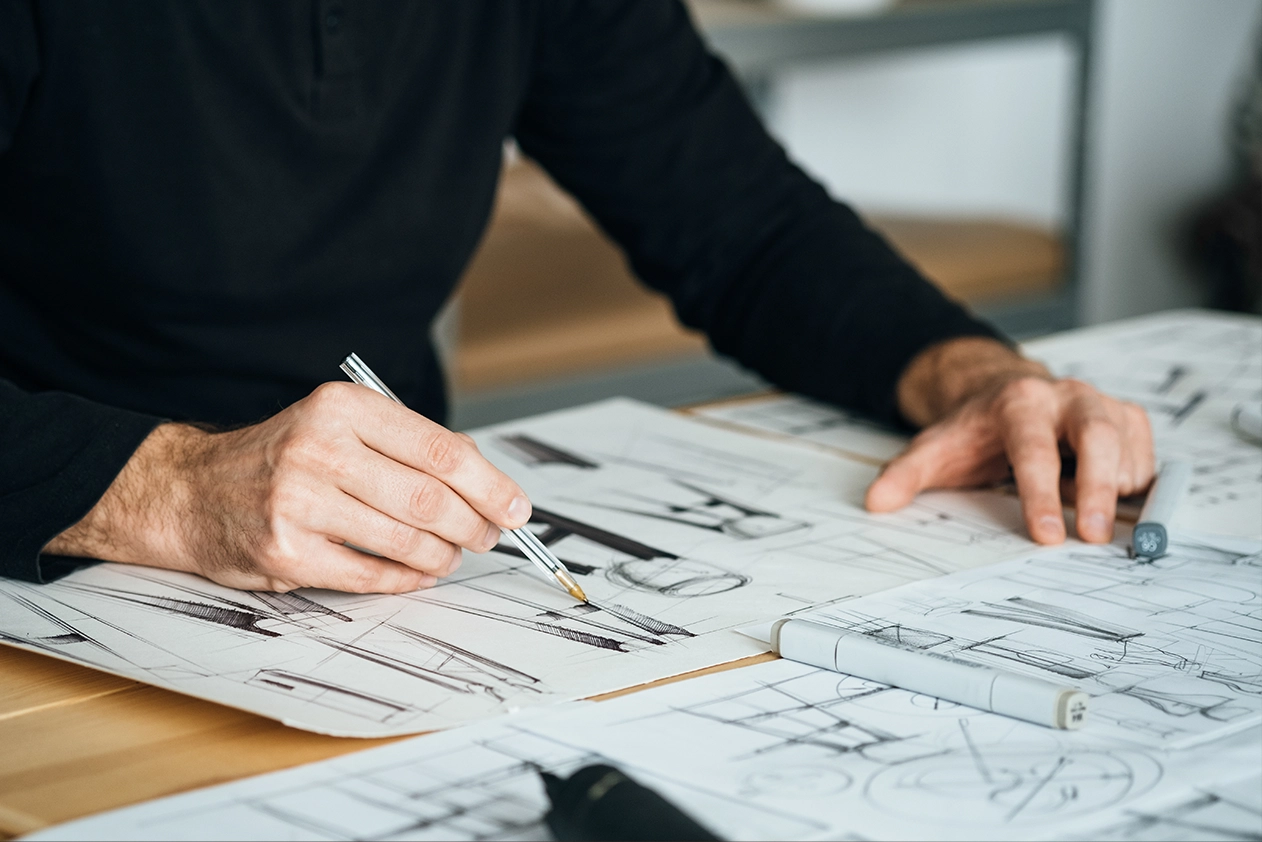
If you’ve spent years designing kitchens, sourcing natural stone, manufacturing furniture or advising customers on renovating period homes, you hold expertise that editors actively need.
The strongest PR today isn’t built around product placement, it’s built around becoming the person journalists email when they’re writing about colour trends, sustainable materials, compact living or timeless design. That shift from supplier to trusted voice of authority is where real editorial value lies because ultimately this is what consumers are searching for.

AI has made authenticity more valuable, not less
There’s understandable concern about how AI is changing publishing but from our perspective, it’s having an unexpected effect. The easier it becomes to generate generic content, the more valuable original thinking becomes.
Editors can spot recycled trend commentary a mile away. They don’t need another list of “the colours of the season” generated from the same online sources everyone else is reading. They need genuine insight.
That could come from customer buying patterns, conversations you’ve had in your showroom, lessons from years of craftsmanship or observations from working directly with homeowners. Your lived experience is becoming one of your biggest competitive advantages.
Great imagery gets you noticed. Original data gets you remembered
Beautiful photography has always mattered in interiors PR, but the standard is higher than ever. Editors are looking for imagery that feels editorial rather than promotional, with enough variety to work across print, digital and social channels. Lifestyle shots, close-up details, behind-the-scenes photography and seasonal content all help make a brand more useful to a busy editorial team.
But increasingly, imagery alone isn’t enough. Original data, customer insights and market trends have become some of the most valuable assets a brand can offer. Whether it’s revealing the most searched-for paint colours, shifts in renovation habits or emerging material preferences, credible statistics give journalists something they can’t get elsewhere. When paired with strong visuals and expert commentary, they transform a product pitch into a story worth publishing.
Speed has become a competitive advantage
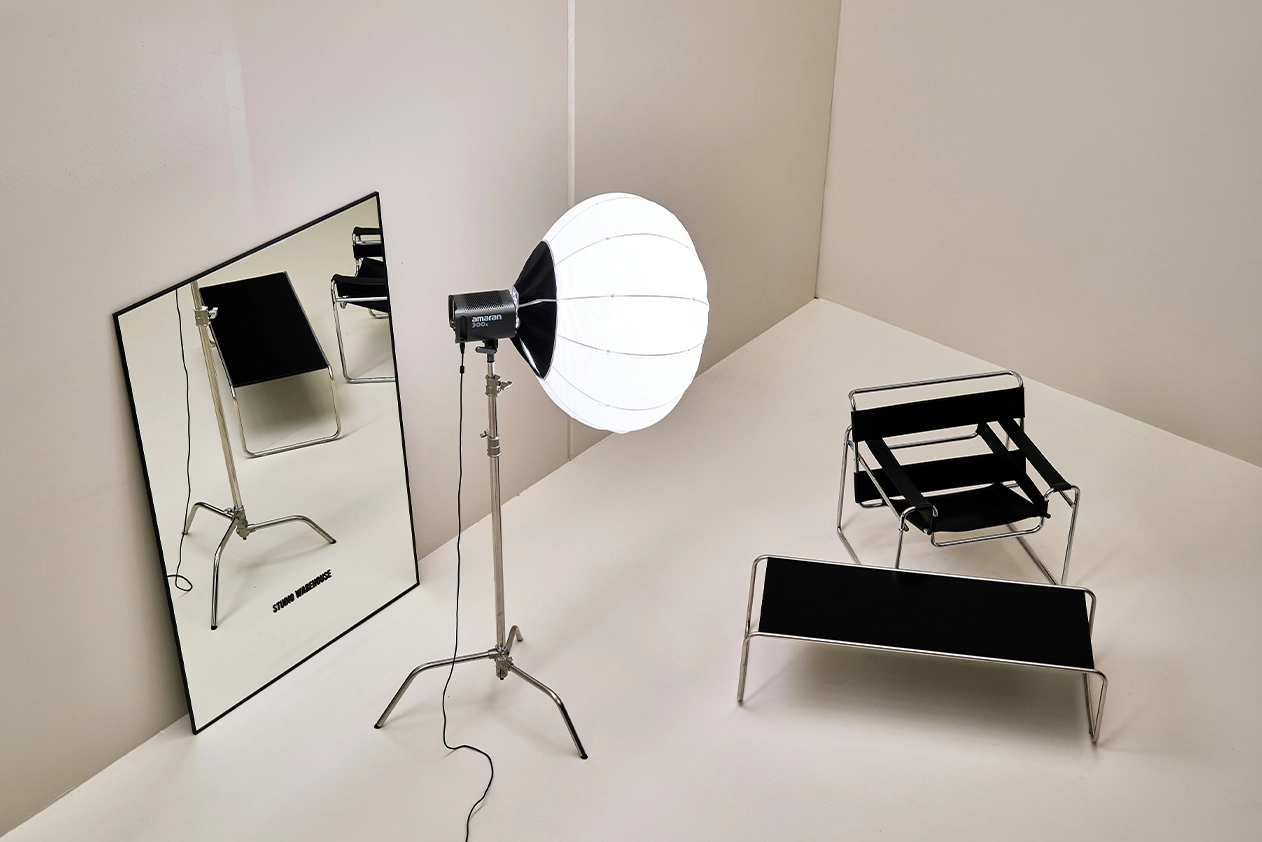
One thing that hasn’t changed is the pace of editorial. If anything, it’s accelerated. An editor might need expert commentary by lunchtime, imagery by the end of the day and product information within the hour.
Brands sometimes underestimate how many opportunities are lost simply because assets aren’t ready or approvals take too long.
Good PR isn’t just about relationships, it’s about readiness.
The best PR doesn’t feel like PR
Perhaps the biggest change of all is this: the most successful brands aren’t asking, “How do we get featured?” They’re asking, “How do we become useful?”
Useful brands provide expert quotes before they’re asked.
They commission original research. They spot emerging trends and move quickly to lead and shape the conversation. They supply exceptional imagery, respond quickly and they understand how editorial works. In other words, they behave less like advertisers and more like collaborators. That's what editors remember and that’s what builds relationships that last far beyond a single product launch.
Final thoughts
Editorial isn’t harder than it used to be, it’s simply different. The brands that continue to thrive won’t necessarily have the biggest marketing budgets or the most frequent product launches. They’ll be the ones that understand modern PR is about far more than announcing what's new.
It’s about creating timely, compelling narratives that give journalists a reason to feature your brand today and a reason to come back tomorrow for trusted commentary, original data, expert insight, and high-quality imagery. Because in 2026, editors don’t just want beautiful brands. They want partners.
If you’re looking to build a brand that people remember and would like support developing a communications strategy that truly reflects your business, we’d love to help.
Let’s talk. Get in touch and find out how we can help you tell your story across the channels that matter. – sayhello@coolblue-interiors.co.uk
Like what you see?
Selected Works


Cool Blue is a full-service agency that pays special attention to the interiors sector. We make waves in the home and lifestyle world, whether by helping brands find new relevancy or supercharging their sales, our strategic expertise makes brands like yours achieve their goals.
Contact:
London
Toffee Factory
Lower Steenberg’s Yard
Newcastle upon Tyne
NE1 2DF
MAP
T. 0191 375 9150