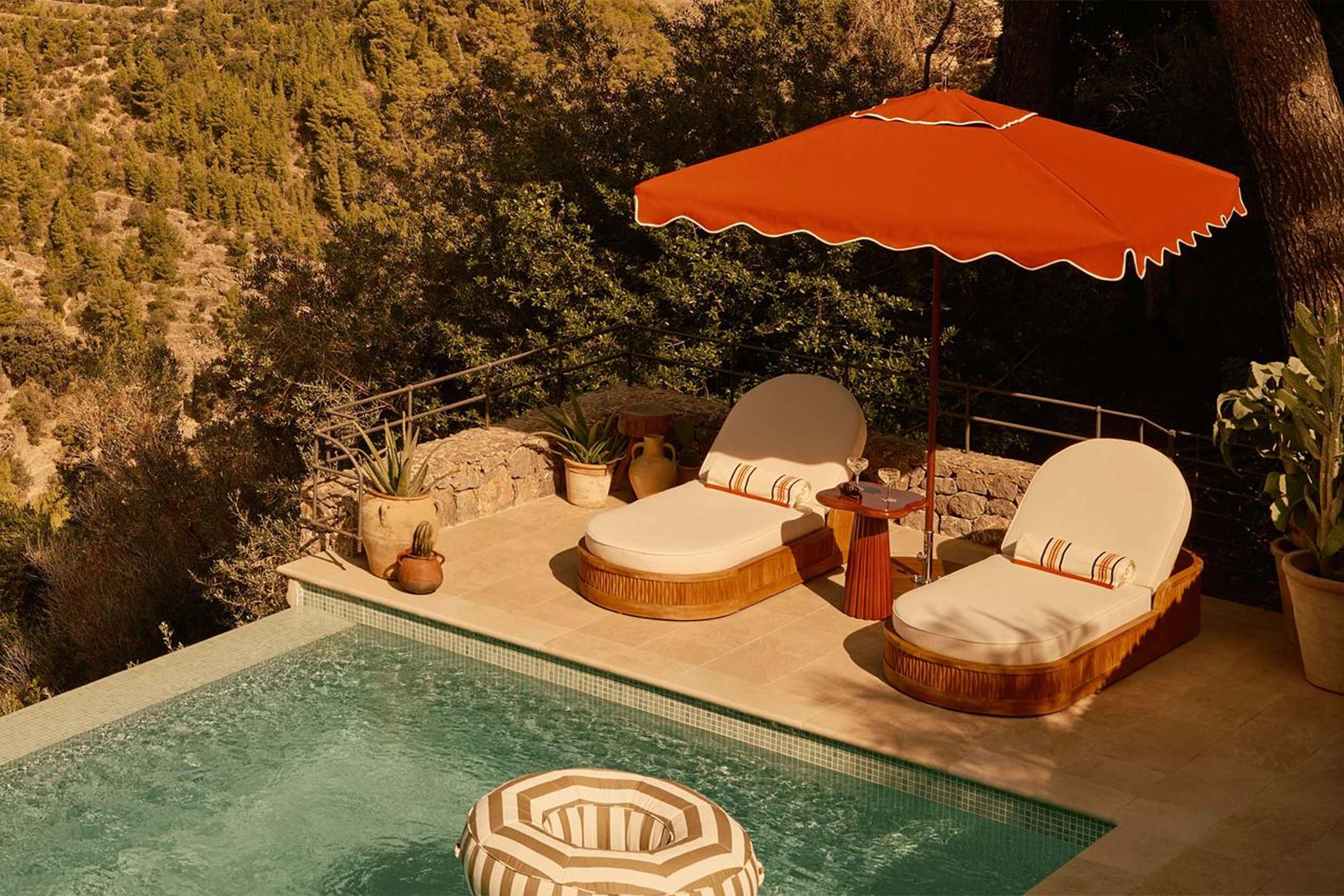
(Image credit: Soho Home)
From Interiors to Exteriors: Why Homeware Brands Are Expanding Outdoors.
The boundaries between indoor and outdoor living are continuing to blur. Whilst the garden was once considered a separate space with its own category of furniture and accessories, it’s now become a natural extension of the home, encouraging an increasing number of interiors brands to expand into outdoor collections.
To name only a few, brands including TomDixon, Anteriors, Pooky and Anthropologie have all launched outdoor collections over the last few years. From furniture brands and textile businesses to lighting specialists and decorative accessory companies, the move outdoors is not just a business diversification strategy.
Rather, it reflects a broader shift in how consumers live and how they want their homes to reflect personal style across every space.
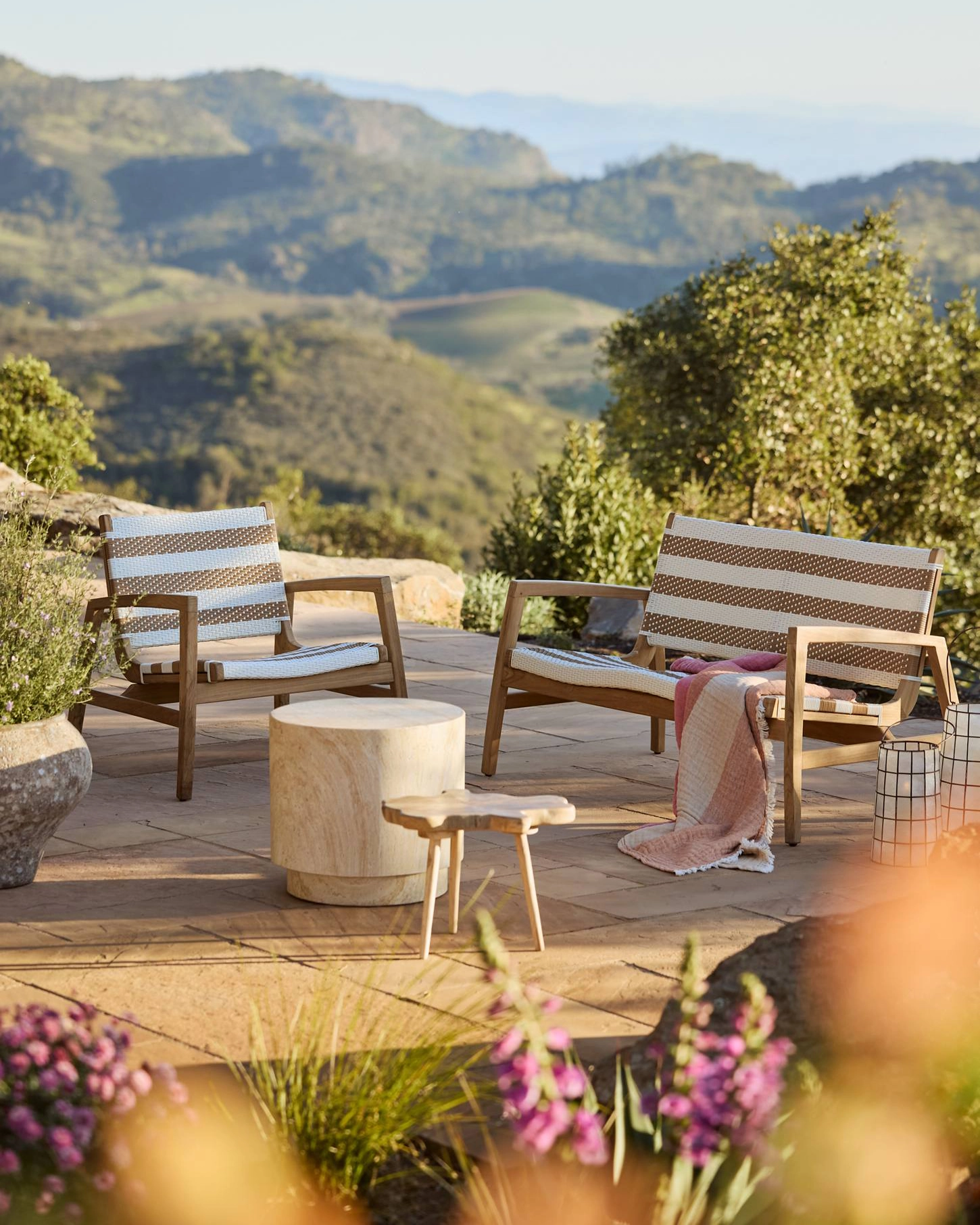
At the centre of this shift is a change in consumer expectations. Homeowners are increasingly investing in environments that support wellbeing, sociability and flexibility. Outdoor spaces, once treated as secondary, are now viewed as essential extensions of the home, a shift that has been reinforced following the pandemic, when the value of outdoor space became far more apparent.
Social media and influencers have played a significant role in accelerating this shift. Platforms such as Instagram and TikTok have made outdoor living more visible and more aspirational, with styled terraces, balconies and gardens increasingly shown as part of everyday home life or as key parts of home renovations. As a result, these spaces are no longer seen as purely functional, but as aspirational, design-led and multifunctional spacesused for hosting, working, dining and relaxing.
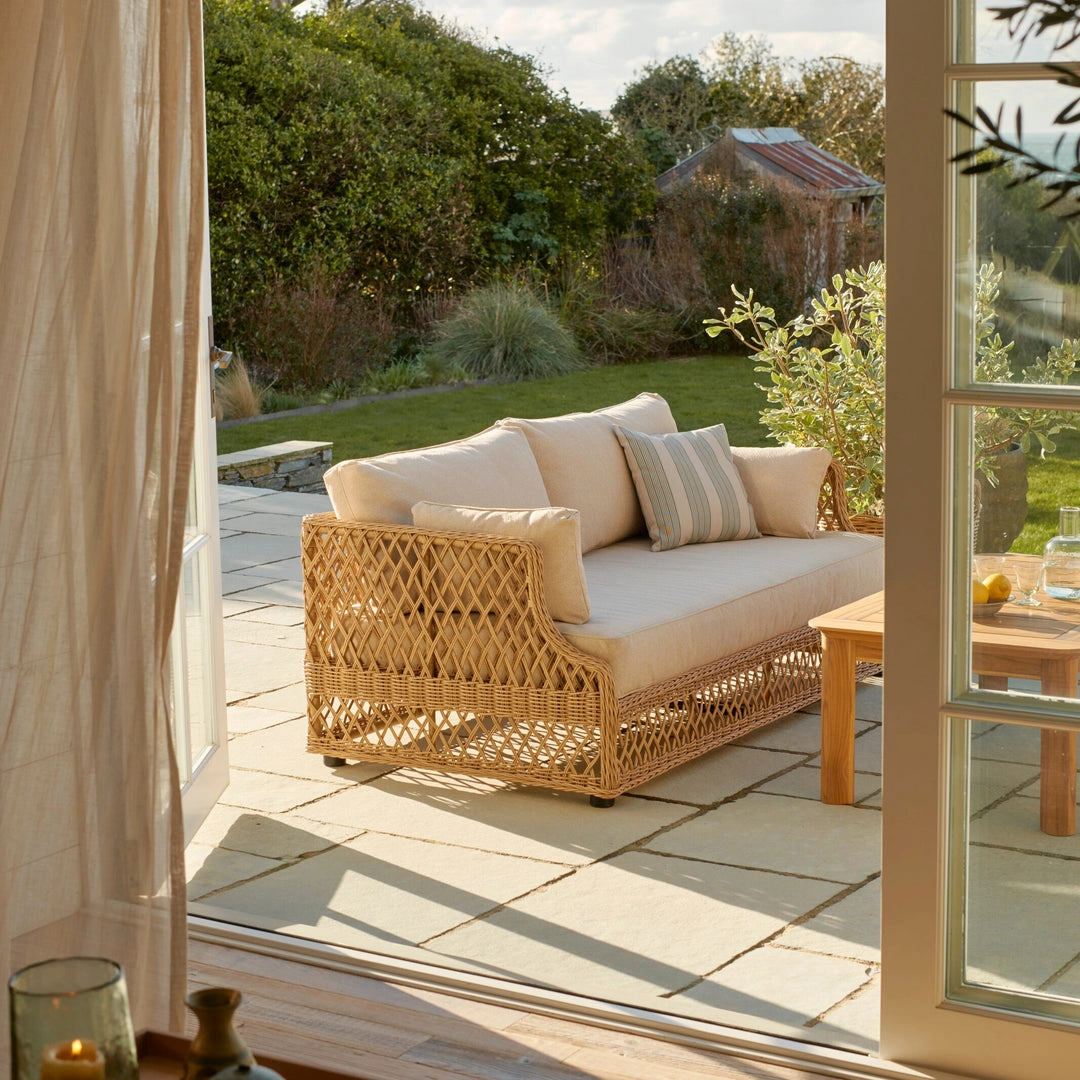
Lifestyle-focused brands have driven demand for this, and in turn, cater to it. Take Neptune for instance, which sells a lifestyle as much as it does furniture. Its garden and outdoor collections appear online alongside blog content focused on alfresco hosting tips and recipes. This reinforces the garden as a space for entertaining and one that deserves as much attention as the rest of the home.
The interior design industry is also shaping this shift. This year’s WOW!house included two garden areas, an outdoor façade and a garden folly room – the latter was the exhibition’s first in its five-year history. The growing focus on outdoor spaces was further evidence of increasing interest in garden and outdoor areas designed with the same care and attention as the indoors.
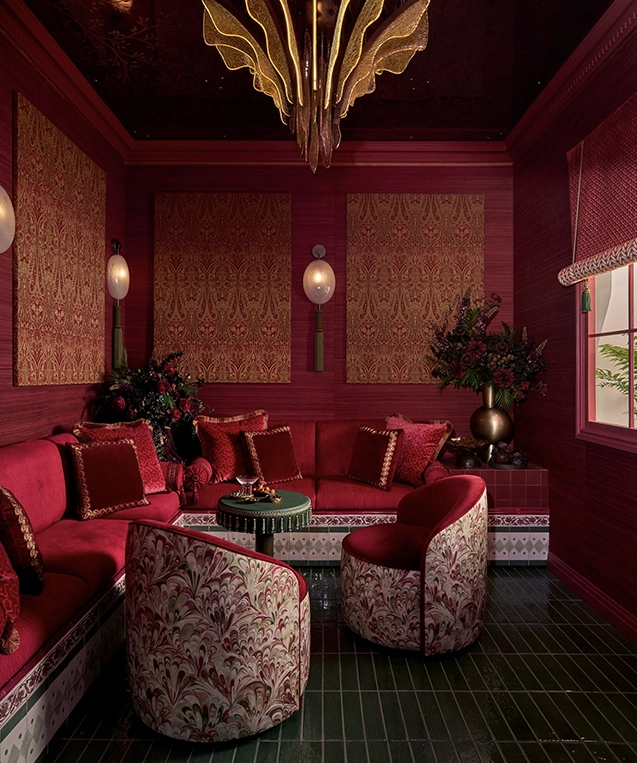
Hospitality has also been influential in setting the tone for outdoor spaces. Hotels, restaurants and private members’ clubs increasingly place equal importance on the design of outdoor environments, creating cohesive design narratives that extend seamlessly outside. Members’ clubs and hotel brand, Soho House, has helped to define this approach, with outdoor spaces designed to feel as considered as indoor ones.
Through its retail arm, Soho Home, it sells its brand look to consumers so they can achieve the hospitality-influenced garden aesthetic at home.
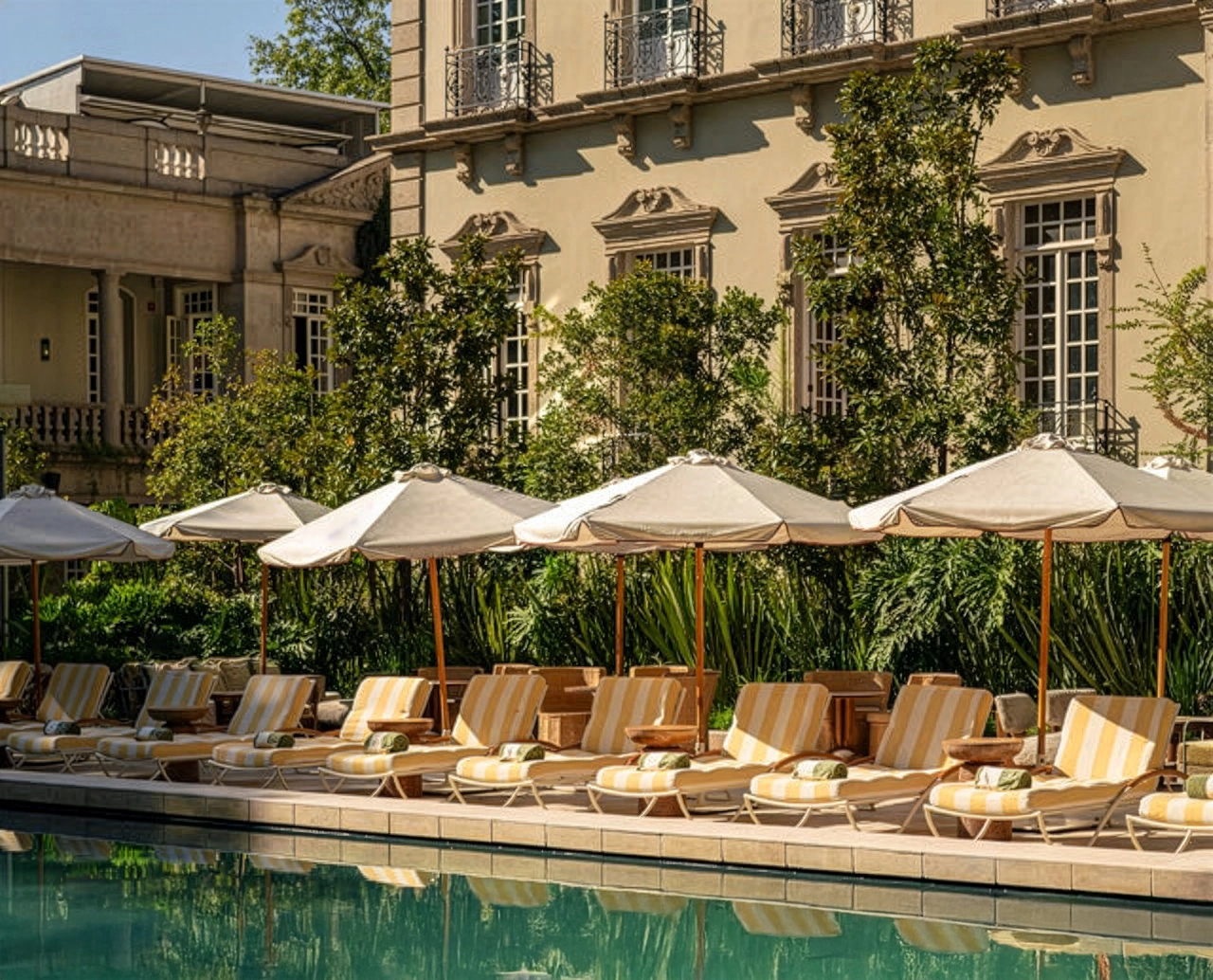
For interiors brands, the blurring of indoor and outdoor spaces creates both an opportunity and an expectation. Consumers no longer think in terms of “inside” versus “outside” purchases; they expect a consistent design language across the entire home. As a result, brands are extending their collections outdoors not as a separate category, but as a natural continuation of their core identity.
The commercial implications are significant. Outdoor living is a high-value investment area. Consumers are furnishing entire exterior spaces rather than purchasing individual items, leading to a larger spend and more considered, longer-term purchasing decisions. For interiors brands, this deepens customer relationships and strengthens their position within a broader lifestyle offering.
Ultimately, the expansion of interiors brands into outdoor living reflects a wider cultural change in how homes are designed and experienced. Consumers are thinking less in terms of individual rooms and more in terms of connected lifestyles, where every space has a role to play.
For brands, the implication is clear: outdoor living is no longer a seasonal or secondary consideration. It is central to how people design, experience and share their homes. Those that fail to extend their vision beyond the front door risk limiting their relevance in a market that increasingly values cohesion, experience and lifestyle-led design over category boundaries.
Selected Works
Mako BespokeFrom Quiet Craft To a Confident Brand Presence

Haddon Crafting Luxury BathroomsCrafting Luxury Bathrooms

French Bedroom - EventFemale-founded British furniture brand.

Interior Trends for 2025Project type


The Floor RoomCreated to transform the world of flooring

The Floor Room - Social MediaEnhancing the brand’s social media presence

Concept BespokeOffering exceptional design, build and maintenance services for prestigious properties.

Spiral CellarsWine cellars less ordinary.

Barker and Stonehouse: Gateshead Store LaunchUnveiling the new £5m store.

ercol x 2LGReaching millions with a message of pride.

French BedroomA luxury bedroom furniture brand.

Duresta & Matthew WilliamsonFashion forward.

EggerImagine. Create. Egger.

HerdysleepOut-of-the-box brand strategy.

Barker and Stonehouse & Drew PritchardLaunching a furniture first.

ercol: Centenary CampaignA 100 years of craft.

SleepeezeeReawakening a sleeping giant.

Cool Blue is a full-service agency that pays special attention to the interiors sector. We make waves in the home and lifestyle world, whether by helping brands find new relevancy or supercharging their sales, our strategic expertise makes brands like yours achieve their goals.
Toffee Factory
Lower Steenberg’s Yard
Newcastle upon Tyne
NE1 2DF
MAP
T. 0191 375 9150